
Quick Answer to CBRF Meaning (Medical)
If you are searching for cbrf meaning medical, here is the simple version. CBRF stands for Community Based Residential Facility. In Wisconsin, this is a type of assisted living community licensed to provide help with daily activities, supervision, and health-related support in a residential setting. Families often compare CBRF with RCAC and AFH as they decide which care option fits a loved one’s needs. This blog explains each term in plain English so you can choose with confidence.
What is a CBRF in Wisconsin?
Definition and basics
CBRF means Community Based Residential Facility. When people ask about cbrf meaning medical, they are usually trying to understand the level of care and oversight that comes with this license. A CBRF is an assisted living setting that supports individuals who need ongoing help with daily tasks, medication management, and regular safety checks. It is not a nursing home. It balances independence with hands-on support in a home-like community.
Who a CBRF serves
CBRF communities serve adults who benefit from routine assistance and oversight. This can include help with bathing, dressing, grooming, toileting, mobility, and medication. Many CBRFs have secure memory care neighborhoods for people living with Alzheimer’s disease or other forms of dementia who need structured routines and cueing. A CBRF is a good fit when someone needs more than occasional help and would benefit from 24-hour staff presence.
Care and supervision in a CBRF
Residents in a CBRF receive personalized support based on a care plan. Typical services include assistance with activities of daily living, medication administration or reminders, regular safety monitoring, meals, housekeeping, and social activities. Some CBRFs offer specialized programming for memory care, fall prevention, and chronic condition support. Team members coordinate with families and outside providers, such as primary care and therapy services, to keep care consistent.
Staffing and training
CBRF caregivers complete state-required training for their roles. Teams are present around the clock, and a nurse provides oversight according to the community’s policies and resident needs. The focus is on dignity, safety, and consistent routines. If medication administration is provided, staff are trained in safe medication practices and documentation.
Safety and environment
CBRF buildings are designed to support mobility and safety. You will often find secure entrances, emergency response systems, handrails, accessible bathrooms, and open common areas that encourage socializing. Memory care areas are typically secured to prevent unsafe wandering while still allowing freedom of movement inside the community.
What is an RCAC?
Residential Care Apartment Complex explained
RCAC stands for Residential Care Apartment Complex. Think of RCAC as apartment-style assisted living. Residents live in private apartments with kitchens or kitchenettes and receive scheduled supportive services. The model emphasizes independence and privacy. Staff are available, but the expectation is that residents need less frequent hands-on assistance than someone in a CBRF might require.
Who thrives in an RCAC
RCACs are well suited for adults who are mostly independent, want their own apartment, and need help with some tasks such as medication setup, light personal care, housekeeping, or meals. RCACs offer a balance of autonomy and support without the ongoing supervision typical of memory care or higher-acuity CBRFs.
What is an AFH?
Adult Family Home explained
AFH stands for Adult Family Home. This option is residential and typically serves one to four residents in a single home. It is a close-knit, family-like setting. The owner or operator often lives on site or nearby, and caregivers provide individualized support.
Who thrives in an AFH
AFHs can be a strong fit for someone who prefers a small, quiet environment and benefits from a consistent routine with the same caregivers each day. Care can be very personalized, which some residents and families find comforting. The social environment is smaller than a CBRF or RCAC, which can be a pro or con depending on personal preference.
CBRF vs RCAC vs AFH: Key differences to know
Licensing and care model at a glance
- CBRF: Residential assisted living with 24-hour staff, suitable for residents who need regular hands-on help and supervision. Often includes memory care neighborhoods.
- RCAC: Apartment-style assisted living that supports independence with scheduled services and staff available as needed.
- AFH: Small, family-like setting for one to four residents, with highly individualized care in a home environment.
Support and supervision
- CBRF: Frequent checks, structured routines, and staff trained to assist with mobility, medications, and personal care. Good for higher safety needs.
- RCAC: Emphasizes autonomy and privacy with help available. Better for individuals who are stable and mostly independent.
- AFH: Personalized support in a small group. Ideal for residents who prefer a consistent caregiver team and a quiet setting.
Memory care considerations
- CBRF: Common license for specialized memory care programs with secured areas, cueing, and sensory-friendly activities.
- RCAC: Some communities support early memory loss but may not be ideal for advanced dementia that requires constant supervision.
- AFH: Can serve residents with dementia depending on the home’s capabilities, staffing, and environment.
How to decide which option fits your loved one
Match the setting to real-life needs
Start with a practical look at everyday life. Where does your loved one struggle most, and how often do they need help? Consider bathing, dressing, toileting, meal prep, mobility, and medication. Next, review safety concerns such as wandering risk, falls, weight loss, or medication errors. Finally, think about social needs and personality. Some people thrive with a lively calendar of events, while others prefer a quieter routine.
Simple decision checkpoints
- If your loved one needs frequent cueing, hands-on assistance several times each day, or memory care with secure spaces, a CBRF is often the best fit.
- If your loved one is mostly independent, wants a private apartment, and needs occasional help plus a safety net, an RCAC can be a great choice.
- If your loved one prefers a small, home-like setting with a consistent caregiver team and a slower pace, an AFH may be ideal.
Where Great Lakes Senior Living fits in
Our care, your priorities
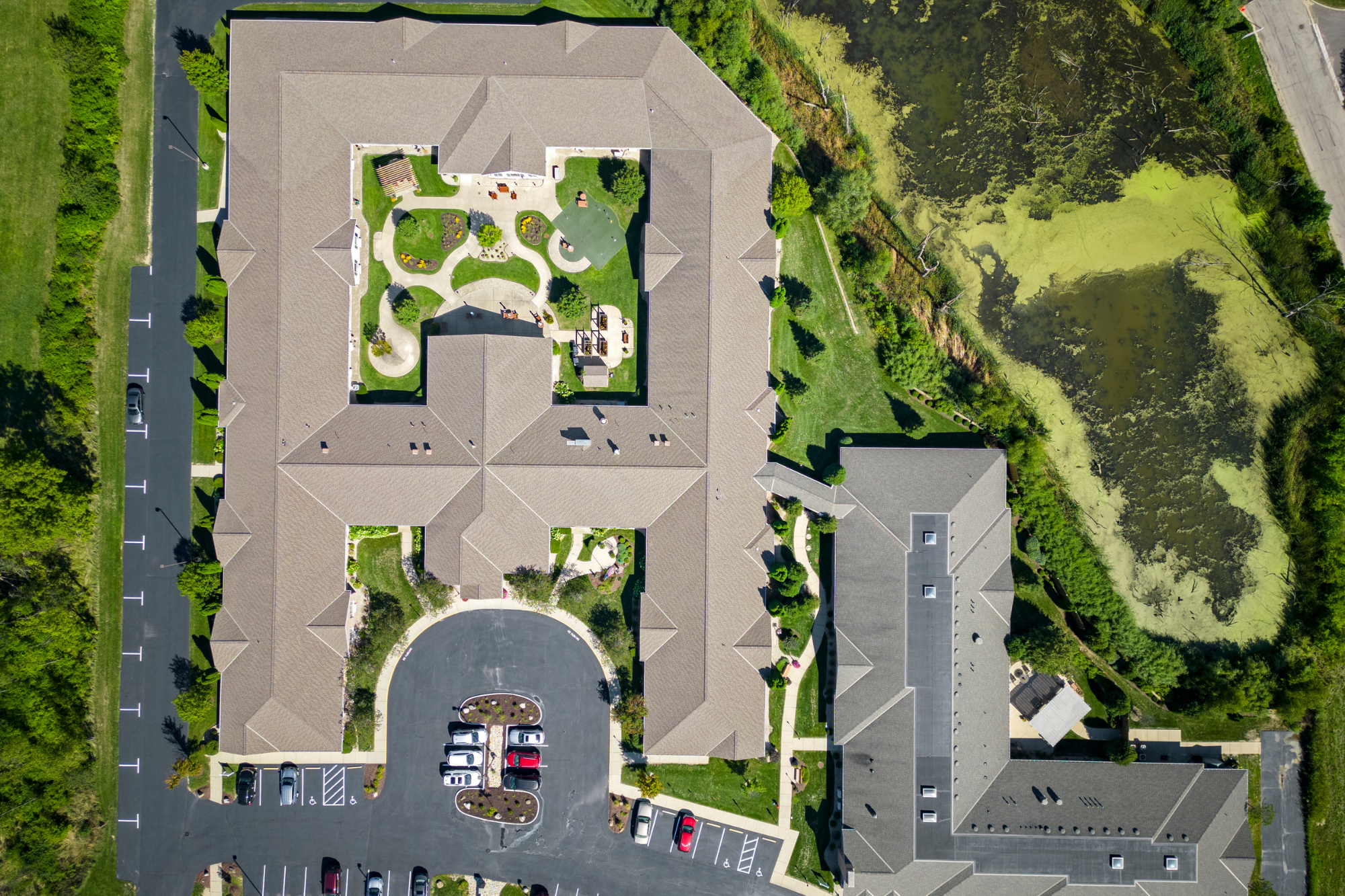
Great Lakes Senior Living serves Wisconsin families with assisted living and memory care in Beloit, Milton, and Waterford. Since 2001, we have focused on compassionate, person-centered support that respects each resident’s dignity and independence. All three communities are Diamond Accredited by the Wisconsin Assisted Living Association, a recognition that reflects our commitment to excellence.
Assisted living
Residents choose comfortable one or two bedroom apartments designed to feel like home. Our team helps as needed with daily tasks and wellness, while encouraging independence and choice. Life enrichment is part of everyday living, with activities that support physical, mental, and social health.
Memory care
Our dedicated memory care offers structured routines, sensory-friendly spaces, and staff who understand the needs of residents living with Alzheimer’s disease or other forms of dementia. We focus on remaining strengths, comfort, and meaningful engagement.
Our Wisconsin locations
- Beloit Senior Living and The Gardens: 2250 W Hart Rd, Beloit, WI 53511
- Milton Senior Living: 600 W Sunset Dr, Milton, WI 53563
- Waterford Senior Living and Memory Care: 301 S. 6th St, Waterford, WI 53185
Licensing structures can vary by service line and building. In Wisconsin, assisted living communities often operate under CBRF or RCAC licenses, and memory care is commonly provided within a CBRF. Contact Great Lakes Senior Living to learn which license applies to your preferred community and apartment type so you can match the setting to your loved one’s needs.
Common questions about cbrf meaning medical
Is a CBRF the same as a nursing home?
No. A CBRF is a type of assisted living. It provides daily support and supervision in a residential environment but is not the same as a skilled nursing facility. If someone needs complex medical care that requires 24-hour nursing or rehabilitation after a hospital stay, a nursing home may be appropriate. Many individuals who do not need that level of complexity will do well in a CBRF.
Can a CBRF care for dementia?
Yes. Many CBRFs include memory care neighborhoods with secure design and specialized programming for individuals with Alzheimer’s disease or other dementias. If your loved one has a history of wandering, disorientation, or needs frequent cueing, ask the community about its memory care program, staffing, and safety features.
Is there a nurse on site?
Nurses provide oversight according to the community’s policies and resident needs. Direct caregiving is provided by trained team members. Ask each community how nurse support is structured, how often assessments are done, and how they coordinate with outside healthcare providers.
What about medication management?
CBRFs commonly assist with medication administration or reminders. Staff are trained to follow medication orders, document administration, and identify concerns. Always ask how refills, changes, and pharmacy coordination are handled to reduce errors and delays.
Does insurance cover a CBRF?
Coverage varies. Some long term care insurance policies cover assisted living, including CBRFs. Public programs may help eligible residents. Many families pay privately. Costs depend on apartment type, level of care, and community services. The best step is to talk with the admissions team at Great Lakes Senior Living to review options.
Costs and value considerations
Budget planning is part of any care decision. Compare what is included in the monthly rate at each community. Some providers bundle meals, utilities, housekeeping, activities, and basic care. Others separate the apartment rate from care fees that adjust with needs. Ask for a sample service plan and a clear explanation of what could change costs over time. Consider the value of 24-hour staffing, medication support, and safety features versus hiring help at home to cover gaps.
How to evaluate communities with confidence
Questions to ask on a tour
- What license does the community hold, and how does that shape the care model?
- How are care plans created and updated, and how often are needs reassessed?
- What is the staff-to-resident approach during days, evenings, and nights?
- How is medication managed, and who coordinates with the pharmacy and doctor?
- What activities and wellness programs are offered each week?
- How does the community support residents with memory loss or mobility changes?
- What happens if my loved one’s care needs increase?
- What is the total monthly cost today, and what could cause it to change?
Tour tips
- Observe staff interactions. Are team members warm, respectful, and attentive?
- Notice cleanliness, odors, and overall upkeep.
- Attend an activity if possible to see engagement and participation.
- Try a meal. Dining is central to daily life and social well-being.
- Ask to meet leadership. Strong, visible leadership is a good sign.
Admission steps at a glance
- Call or message Great Lakes Senior Living to discuss needs and timing.
- Tour your preferred community and apartment options.
- Complete a nurse assessment to confirm fit and finalize a service plan.
- Review pricing, the residency agreement, and what is included.
- Schedule move-in day and coordinate medical records and medications.
- Meet the care team, share your loved one’s life story and preferences, and settle in.
Plain-English glossary for families
- CBRF: Community Based Residential Facility. Assisted living with regular support, supervision, and often memory care.
- RCAC: Residential Care Apartment Complex. Assisted living in private apartments with scheduled services that emphasize independence.
- AFH: Adult Family Home. Small home serving one to four residents with highly personalized support.
- ADLs: Activities of Daily Living. Basic tasks like bathing, dressing, toileting, eating, and moving around.
- IADLs: Instrumental Activities of Daily Living. Tasks like meal prep, housekeeping, shopping, and managing medications.
- WALA: Wisconsin Assisted Living Association. Great Lakes Senior Living communities are Diamond Accredited by WALA.
- DHS: Wisconsin Department of Health Services. The state agency that licenses and oversees assisted living providers.
Why families choose Great Lakes Senior Living
Great Lakes Senior Living blends compassionate care with a welcoming environment where residents can feel at home. Our focus is dignity, respect, and a superior level of support you can trust. Families choose us for our caring staff, thoughtful activities and lifestyle services, and a steady commitment to excellence. Diamond Accreditation by the Wisconsin Assisted Living Association at all three locations shows how seriously we take quality and safety.
Whether you are exploring cbrf meaning medical, comparing RCAC and AFH, or planning a move for a loved one with memory loss, our team is ready to help you navigate options. We offer guided tours, care assessments, and honest answers so your decision feels clear and confident.
Next steps: Let’s talk about your situation, Is CBRF Medical The Path?
Choosing among CBRF, RCAC, and AFH is easier when you can see the environments, meet the people, and ask direct questions. Connect with Great Lakes Senior Living in Beloit, Milton, or Waterford to discuss your loved one’s needs. We will explain which setting fits best, what services are included, and how to plan a smooth transition. If you started here by searching for cbrf meaning medical, we hope this plain-English guide gives you clarity. We are here to support you from the first call through move-in and beyond.
Great Lakes Senior Living communities are ready to welcome you. Visit Beloit Senior Living and The Gardens at 2250 W Hart Rd in Beloit, Milton Senior Living at 600 W Sunset Dr in Milton, and Waterford Senior Living and Memory Care at 301 S. 6th St in Waterford. Tour, ask questions, and discover what feels right for your family’s unique needs.
Final note for families: Every person’s situation is unique. Rules and services can change, and individual providers may offer different features. Use this guide as a starting point, then talk directly with the team at Great Lakes Senior Living to confirm details. Most importantly, choose the setting that delivers safety, purpose, and comfort for the person you love.